T-Mobile's recent launch of satellite-to-cell texting in partnership with SpaceX's Starlink has been hailed as a breakthrough in connectivity, promising to eliminate coverage gaps in remote areas. However, a critical issue remains unaddressed: the unprecedented power this network grants to a private entity—Elon Musk’s SpaceX—and the potential for it to be exploited for surveillance or manipulation.
A Potential Man-in-the-Middle Attack Vector
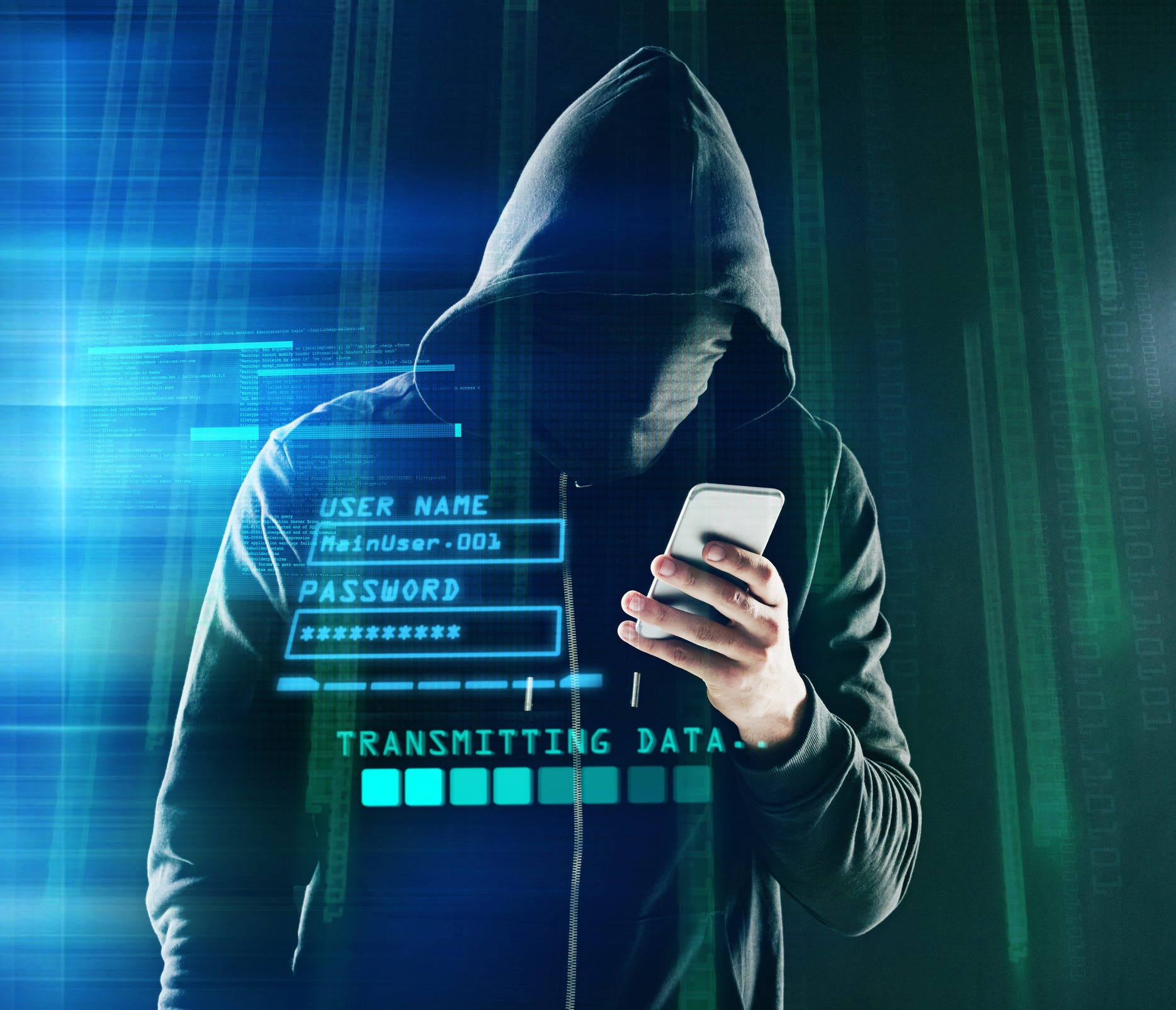
The fundamental problem with the T-Mobile-Starlink collaboration lies in its architecture. Unlike traditional cellular networks that rely on multiple providers and infrastructure distributed across different companies and regulatory environments, this system centralizes the relay of messages through Starlink’s satellite infrastructure. This means that every text message sent through this system is, in theory, accessible to the entity operating the satellites—SpaceX.
In cybersecurity terms, this introduces a glaring risk for a “man-in-the-middle” (MITM) attack. A MITM attack occurs when a third party intercepts, alters, or even blocks communications between two users. While end-to-end encryption can help mitigate some risks, the very nature of this satellite network gives SpaceX the ability to analyze, store, or manipulate data at a fundamental level before it reaches its intended recipient.
Elon Musk’s History of Unchecked Power
Elon Musk has increasingly wielded direct influence over global infrastructure, from Tesla’s expansion into AI-driven surveillance to Starlink’s role in geopolitical conflicts. His past behavior suggests a willingness to assert control over the information and technologies under his purview, raising concerns about how much access he might have to private communications passing through Starlink.
For instance, during the early stages of the Russia-Ukraine war, Musk was able to restrict the use of Starlink services by the Ukrainian military. This alone should be a warning sign: if a private individual can unilaterally control or deny access to critical communication infrastructure at his discretion, what prevents the same infrastructure from being used for surveillance or censorship?
Legal and Regulatory Loopholes
Unlike terrestrial cellular providers, which are subject to domestic telecommunications laws and privacy regulations, a satellite-based texting service operating outside traditional jurisdictions raises serious oversight concerns. While the FCC and other regulatory bodies may impose some restrictions, Starlink operates globally, meaning its network could fall into a gray area where U.S. privacy laws do not fully apply.
This leaves users vulnerable to potential abuses, especially given Musk’s known opposition to regulatory constraints. Without strong, enforceable policies ensuring the security of these communications, users are left to rely on nothing more than corporate goodwill—an unreliable safeguard at best.
The Future of Secure Communications
While bridging connectivity gaps is important, it should not come at the expense of security and privacy. Instead of entrusting a single entity like SpaceX with handling sensitive text data, alternative solutions should be explored. These could include decentralized satellite networks, government oversight mechanisms, and mandatory encryption protocols that prevent third-party interception.
One immediate way to mitigate these risks is by using an end-to-end encrypted messaging service. Platforms like Signal or ProtonMail’s encrypted messaging ensure that even if messages pass through potentially compromised infrastructure, they remain unreadable to any third parties, including service providers like SpaceX. Encouraging widespread adoption of these encryption technologies will help protect personal communications from unauthorized access or interception.
Until such safeguards are in place, the widespread adoption of satellite-to-cell texting service poses more risks than benefits. Given Musk’s track record and the potential for mass surveillance or censorship, we must seriously question whether this technological advancement is a step forward—or a step toward a new era of unchecked digital control.
Comments